Welcome

I struggled to find PEM resources for my CT3 year, despite the variety of excellent resources out there. I hope this website will help point you in the right direction. I'm not a PEM expert, but am following the guidance CEM have issued (in the form of a syllabus) to put together this page. This page is not endorsed by CEM, and any mistakes are mine.

Please comment with corrections, additions and further suggestions.

All the information here is collected from the internet, and it might be out of date or inaccurate, so please use your judgement and adhere to your hospital's protocols. If you do notice any errors or omissions please comment so we can put them right!

To navigate, decide whether you want to start with a PMP or a PAP. You can then select which PMP or PAP you want to look at. You will then be taken to the summary page for that PMP, with links expanded topic collections. If you know what topic you want to look at already, click on the link on the right hand side.
Showing posts with label curriculum. Show all posts

Monday, 12 August 2013

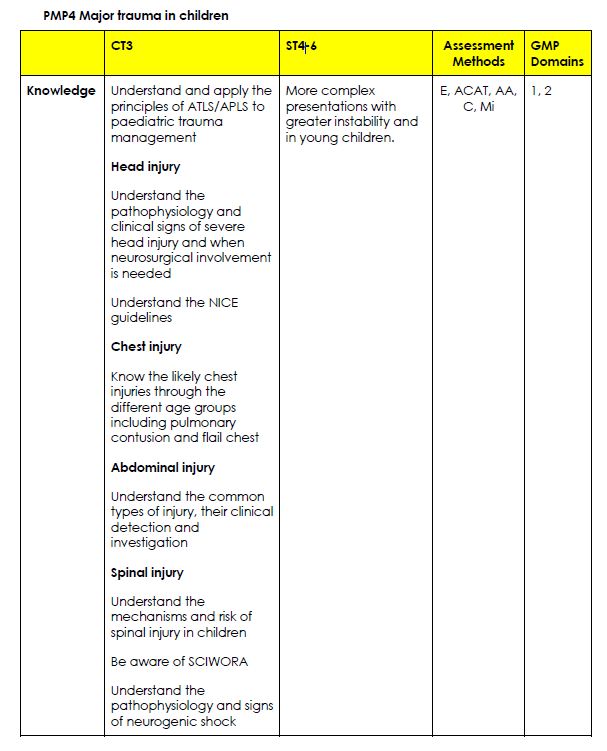
PMP4: Major Trauma in Children

This PMP has lots and lots of items in it. Having looked at this bit of the curriculum in detail, I'm skeptical as to whether attending APLS/EPLS really teaches you enough... What do you think?
Click here for all of the PMP4 / trauma posts.


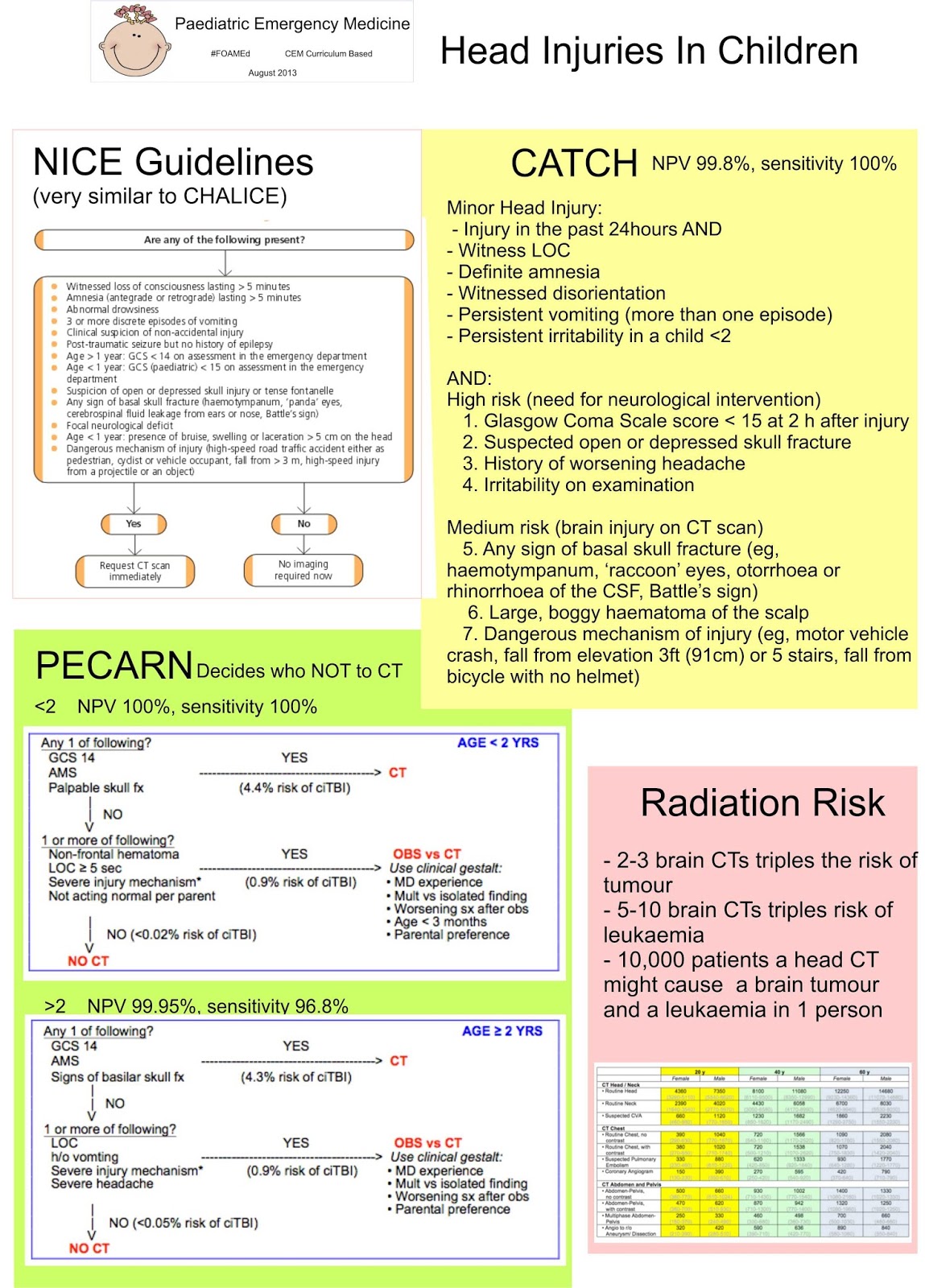
Head Injuries. For a detailed head injury post click here, and for a detailed radiation risk post click here:

Chest Trauma in children. For more posts, click here.


For more posts on abdominal trauma, click here.

For more posts on burns, click here.
For posts on spinal trauma click here
For posts on pelvic trauma click here
 

Monday, 5 August 2013

PMP3: Cardiopulmonary Resuscitation

Paediatric Arrests don't happen often - but when they do we should be ready. The curriculum and summaries are on this page.
To have a look at the detailed posts and links for each topic, please go here.


The ALiEM summary on hypothermia is so good there's no point reinventing the wheel.For more hypothermia blog posts, please click here.

For more NLS blog posts, please click here.


For more PLS blog posts, please click here.


For more electrocution blog posts, please click here


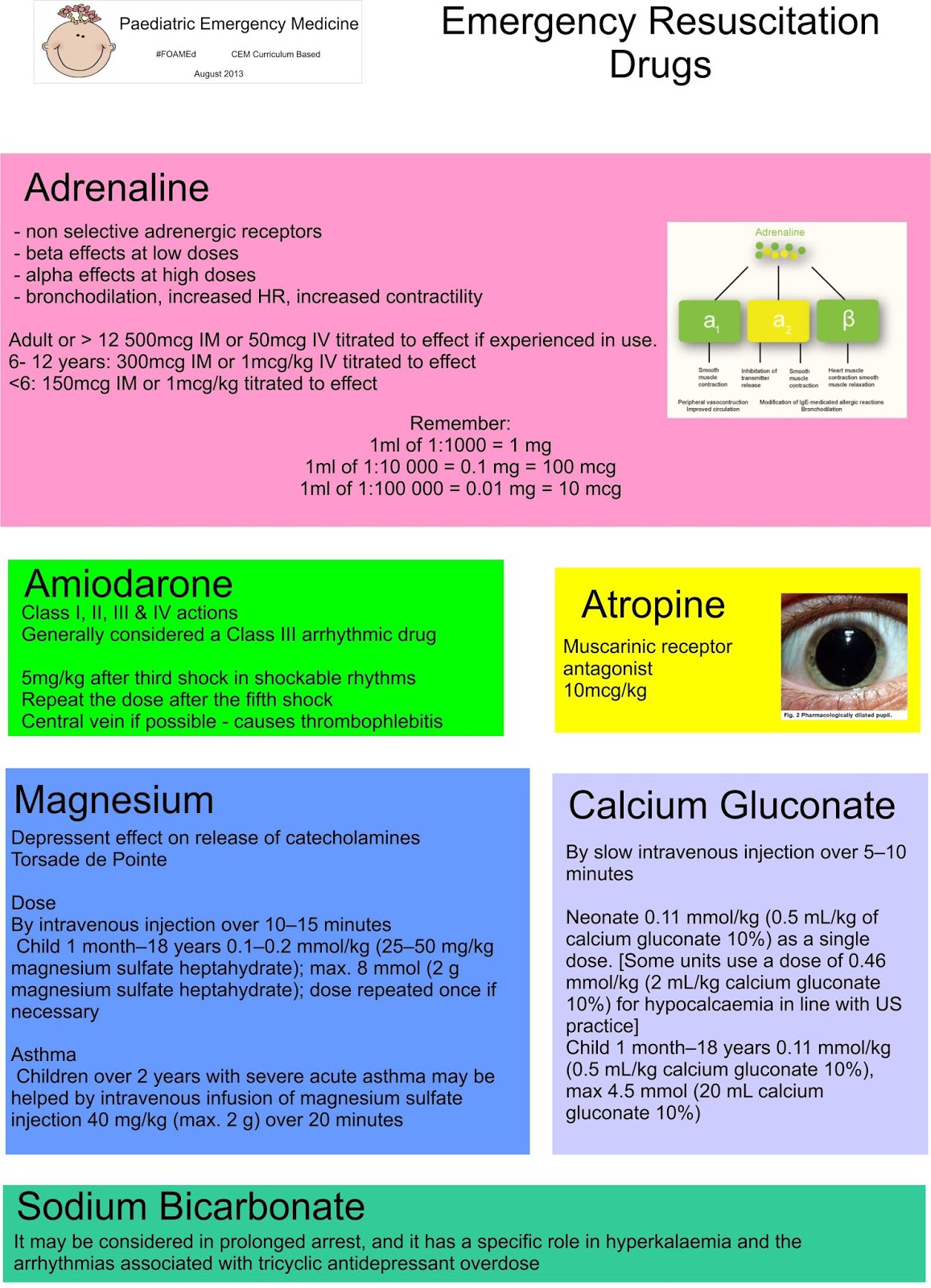
For more blog posts on arrest drugs, please click here.


There are also posts on:
Venous Access 
SIDS
Drowning

Monday, 29 July 2013

Apnoea, stridor and airway and obstruction

For more blog posts and information on PMP2, click here. 

The college syllabus is well defined:


These are tricky subject areas to find information on, and very rare in practice.
For the allergic causes of airway obstruction, visit the anaphylaxis page.


For more airway posts, click here.


For more epiglottitis posts, click here


For more choking posts, please click here.


For more surgical airway posts, please click here


For more tonsillectomy posts, please click here.

Resus Council Guidelines

The resus council guidelines are what we should follow for every resuscitation. The guidelines are clear, and have a good summary of all the doses. They are very useful.

As you can see below, the resus council website has many good resources for anaphylaxis (adult and child).

Above frame from: http://www.resus.org.uk/indx/search.asp?zoom_sort=0&zoom_query=anaphylaxis&zoom_per_page=10&zoom_and=

Anaphylaxis


For all the blog posts written about anaphylaxis, please click here.

The CEM Curricular Guidelines are very clear about what you need to know about Anaphylaxis.It is difficult to separate adults from children.

PMP1 Anaphylaxis - CEM CurriculumI've made a summary of treatment, including the curricular knowledge. Please comment with any suggestions or additions:

Anaphylaxis Pathophysiology Summary


For more anaphylaxis posts, start by looking here.